
Guide · Ocean County, NJ
Paver sealing:
when it helps, when it hurts.
Sealer is a choice, not a requirement — and on the wrong patio at the wrong time it makes things worse. Here is the honest version, from a crew that does not sell sealer.
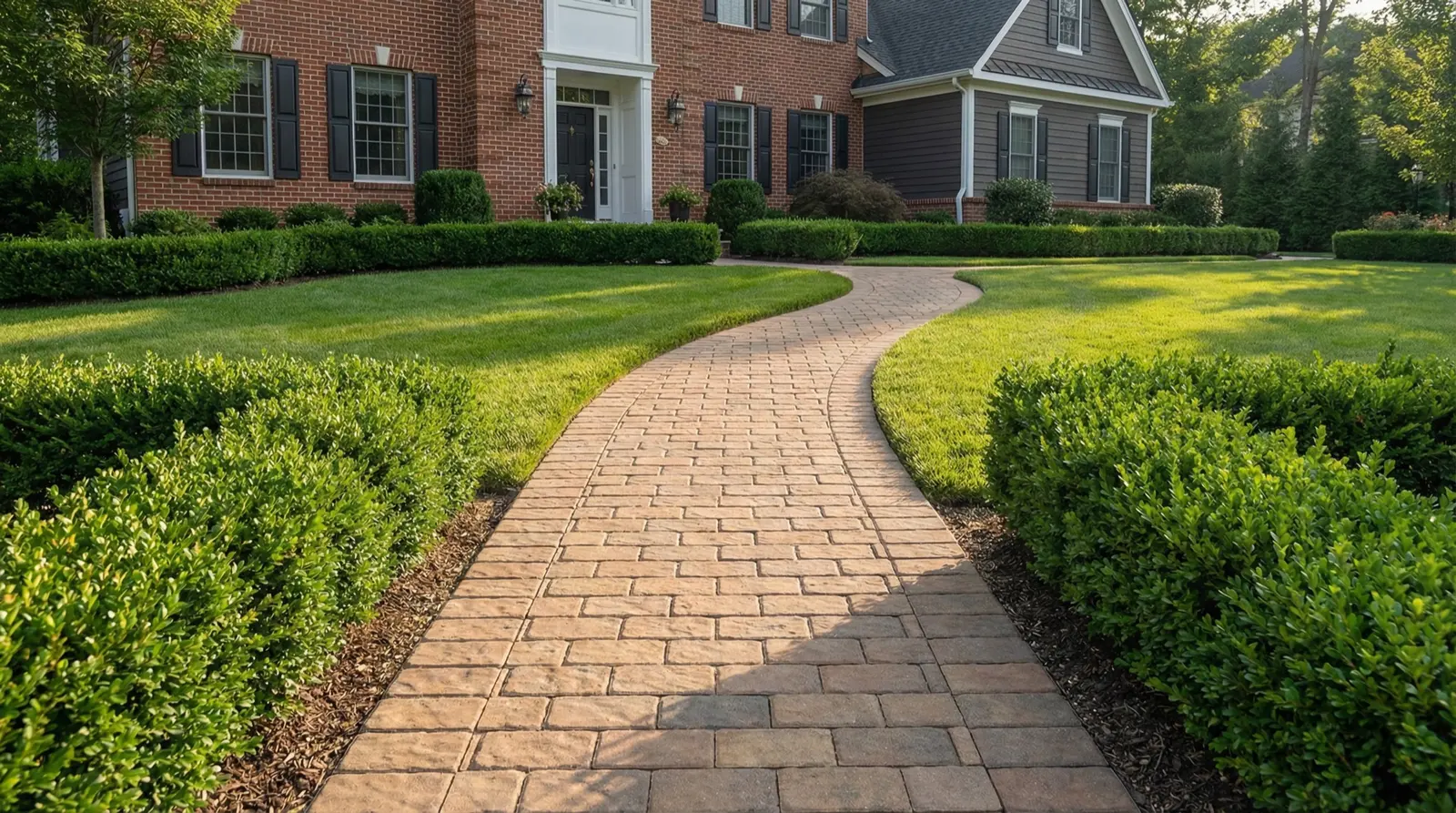
What sealer does — and doesn't
Worth being clear before you spend a weekend or a check on it.
The four rules
Break these and sealing costs you more than it gives you.
Wait 60–90 days on new pavers
New concrete units push efflorescence — a white haze — to the surface as they cure. Seal too early and you lock it in under the film, permanently.
Fix the joints first
Sweep in fresh polymeric sand and compact it before any sealer touches the surface. Sealing over empty joints wastes both.
Never seal a failing surface
If units are settling, lipping, or spreading apart, sealing is cosmetics on a structural problem. Fix the base, then decide about sealer.
Commit to the cycle
Three to five years, sooner on driveways. Sealer wears unevenly if you let it lapse — going in, plan on maintaining it.
What your pavers are actually telling you
Most people start looking into sealer because a patio stopped looking right. Nine times out of ten the surface is not the problem. Units that dip in a tire track, a step you can feel between pavers, joints that keep emptying, standing water after rain — every one of those is the base underneath telling you it was built thin, or built on soil instead of compacted stone, or built with nowhere for water to go.
That is repairable, and it is not a teardown. The affected section gets lifted, the base rebuilt and compacted properly, and the same pavers relaid — one of the real advantages pavers have over a poured slab. If your patio is doing any of that, send us a photo before you buy sealer.
Send a photo of the problem area.
We'll tell you honestly whether it's a surface issue or a base issue — and only quote if it's worth fixing.